Understanding Brand Compatibility in Dental Implants
When dentists order replacement components, restoration parts, or prosthetic attachments, many assume most brands “work the same.” But The Real Reason Brand Compatibility Matters When Ordering Implant Parts isn’t just about convenience - it’s about precision, safety, longevity, and how each component interacts at a microscopic level.
Brand compatibility is one of the most misunderstood concepts in implant dentistry. While different implant companies may appear similar, the truth is that each brand uses its own engineering standards, connection angles, torque values, and manufacturing tolerances. Even a tiny mismatch can lead to major complications over time.
Let’s break down why this matters more than most clinicians realize.
What Brand Compatibility Really Means
Brand compatibility refers to how well two implant components fit together based on:
-
Platform size
-
Abutment connection geometry
-
Taper angles
-
Screw dimensions
-
Manufacturing tolerance levels
Even if two parts “look” identical, it doesn’t mean they are interchangeable. Implant engineering is incredibly precise - down to microns.

Why Implant Components Are Not Universally Interchangeable
Every implant brand uses a unique approach to:
-
Thread pitch
-
Internal connection depth
-
Wall thickness
-
Screw access channel diameter
This means a part designed for Brand A simply isn’t made to function on Brand B - even if the connections look similar to the naked eye. Compatibility issues begin the moment you mix brands or choose unverified components.
The Hidden Engineering Behind Implant Part Fitment
Precision Manufacturing Standards
Implant companies use ultra-tight tolerances - often less than 20 microns. If a third-party part exceeds that by even a small amount, you get:
-
Micromovement
-
Microgaps
-
Early screw loosening
-
Potential bacterial infiltration
These problems don’t always appear immediately, making them even more dangerous.
Implant-Abutment Connection Types Explained
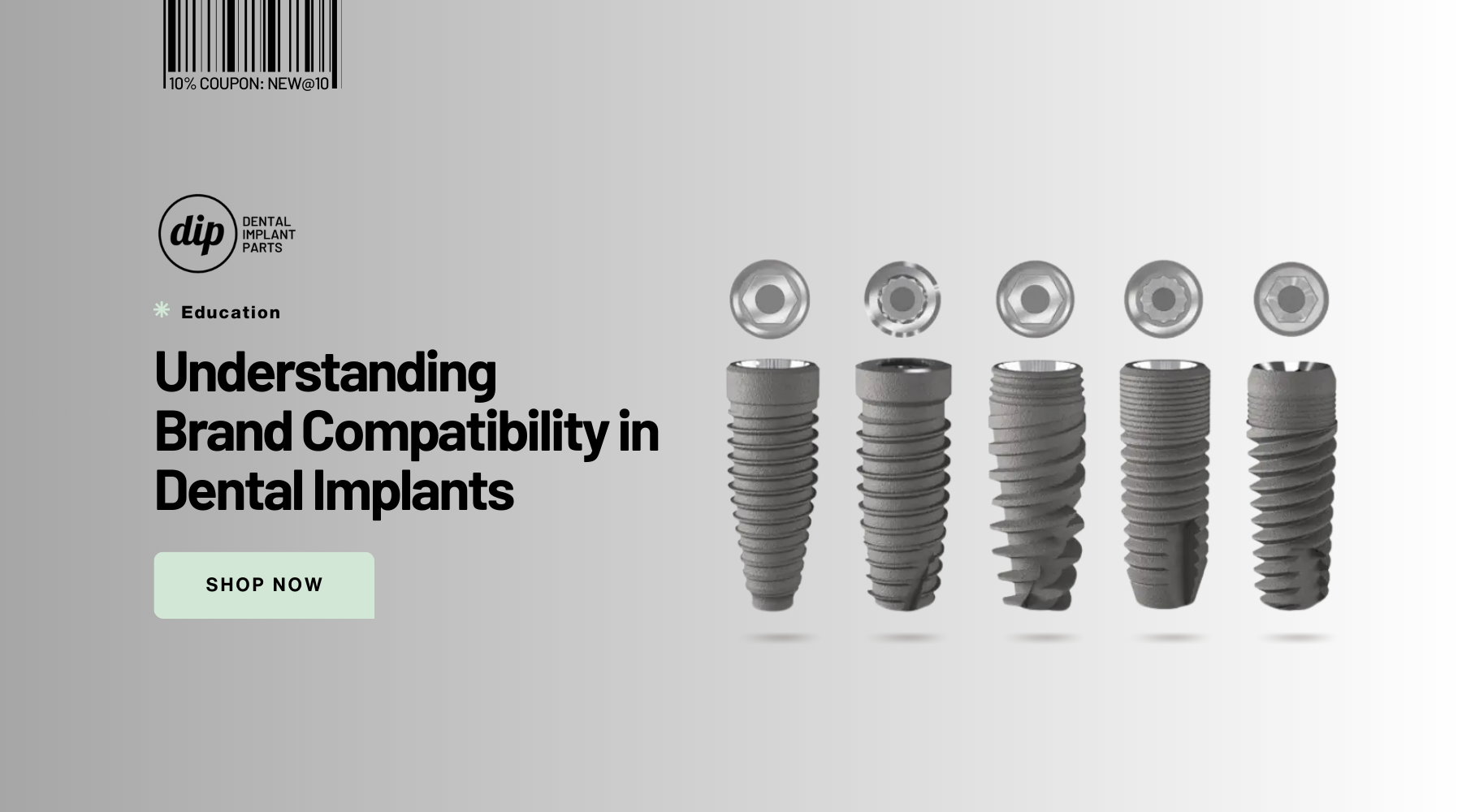
The most common connection styles include:
-
External Hex
-
Internal Hex
-
Morse Taper
-
Conical Connection
-
Tri-Channel Systems
Each uses different engineering angles, depth measurements, and locking mechanisms.
Mixing parts across systems is like trying to attach a bolt from one car manufacturer onto a different engine - it may “fit,” but it won’t perform correctly.
The Role of Platform Switching in Compatibility
Platform switching adds another layer of engineering complexity. When dentists use incorrect platform widths:
-
Stress increases at the implant head
-
Bone remodeling becomes unpredictable
-
The implant’s biological seal may weaken
Only brand-compatible parts support the original platform design the implant was built for.
Risks of Mixing Implant Brands and Generic Parts
Mechanical Failures and Loosening Issues
Compatibility mismatch leads to:
-
Screw loosening
-
Abutment rotation
-
Fractures
-
Compromised stability
These failures can happen quietly over months until the patient suddenly feels pain or mobility.
Biological Complications and Tissue Health
A tiny microgap - too small to see - can trap bacteria. This may result in:
-
Peri-implantitis
-
Bone loss
-
Chronic inflammation
-
Implant failure
All because the connection wasn’t truly compatible.
Warranty and Legal Liability Concerns
Manufacturers clearly warn against mixing brands. Using incompatible parts:
-
Voids warranties
-
Increases liability
-
Makes the dentist responsible for part failure
This is why proper documentation is critical.
How Compatibility Affects Long-Term Implant Success
Force Distribution and Stability
When the connection is mismatched, occlusal forces shift unpredictably. This increases stress on:
-
Screws
-
Abutments
-
The implant head
Over time, this can compromise osseointegration.
Maintaining Bone Integrity Around the Implant
Even slight instability can trigger bone remodeling. Compatible dental implant parts maintain the correct pressure distribution that keeps surrounding bone healthy.
How Dentists Can Ensure Proper Compatibility
Verifying Platform Size and Connection Type
Use manufacturer charts or online databases to confirm:
-
Connection geometry
-
Implant series
-
Platform diameter
-
Taper angle
Never assume - always verify.
Using Trusted Suppliers for Cross-Compatible Parts
When using third-party compatible parts, choose suppliers who:
-
Provide engineering specifications
-
Offer proven brand-compatible alternatives
-
Maintain precision manufacturing standards
A trusted supplier dramatically reduces risk.
Documentation for Every Implant Placed
Keep notes on:
-
Brand
-
Size
-
Platform
-
Connection type
-
Lot number
This ensures future restorations match the original implant system.
Why Brand Compatibility Matters for Patients
Durability, Comfort, and Overall Implant Success
Patients benefit from components that:
-
Fit perfectly
-
Reduce the risk of complications
-
Provide lifelong stability
Brand compatibility directly affects comfort and longevity.
Lower Repair Costs and Fewer Complications
When implants function properly, patients avoid:
-
Emergency visits
-
Replacement parts
-
Painful inflammation
-
Full implant failure
A small compatibility check can prevent thousands in future treatment costs.
Choosing the Right Supplier for Implant Parts
What to Look for in a Reliable Implant Parts Provider
Your supplier should offer:
-
Guaranteed compatibility
-
ISO-certified manufacturing
-
Transparent specifications
-
Consistent part quality
-
Customer support
-
Clear comparison charts
This ensures long-term reliability for your practice.
Warning Signs of Low-Quality or Incompatible Parts
Watch for:
-
Missing documentation
-
No engineering specs
-
Poor machining
-
Loose fit
-
Significant price undercuts
-
Lack of customer reviews
Cheap parts cost more in the long run - especially when failures occur.
FAQs About Brand Compatibility in Dental Implants
1. Can different implant brands share the same connection?
Sometimes, but never assume. Even “compatible” systems must be verified for precise fit.
2. Why do generic implant parts cause complications?
Because they may not match the original brand’s exact tolerances and engineering.
3. Can mixing brands void my implant warranty?
Yes - most manufacturers void all warranties if incompatible parts are used.
4. Do patients really notice compatibility issues?
Indirectly, yes. They may experience discomfort, loosening, or long-term bone loss.
5. Is it safe to use third-party parts?
Only when they come from trusted suppliers who guarantee compatibility.
6. How can dentists track implant systems used years later?
Maintain detailed patient records including brand, platform, and lot numbers.
Conclusion
The Real Reason Brand Compatibility Matters When Ordering Implant Parts comes down to precision, safety, and long-term implant success. Every implant system is engineered with exact tolerances, and even the smallest mismatch can lead to mechanical failure, biological complications, or legal liability.
By verifying compatibility, using trusted suppliers, and maintaining proper documentation, dentists can ensure successful outcomes and protect their patients for years to come.
For further reading on implant safety and engineering standards, you may explore reputable resources such as:
https://www.osseo.org/