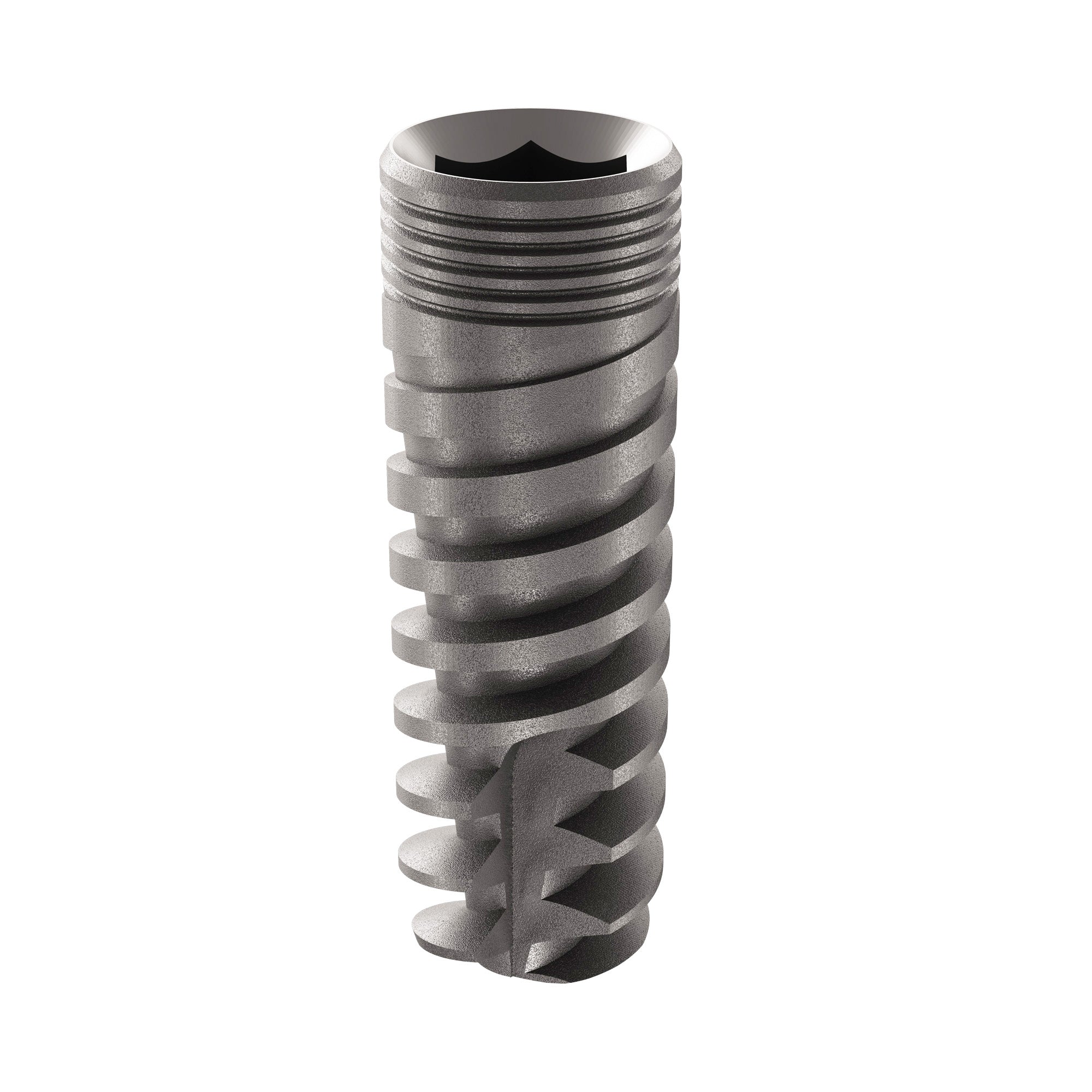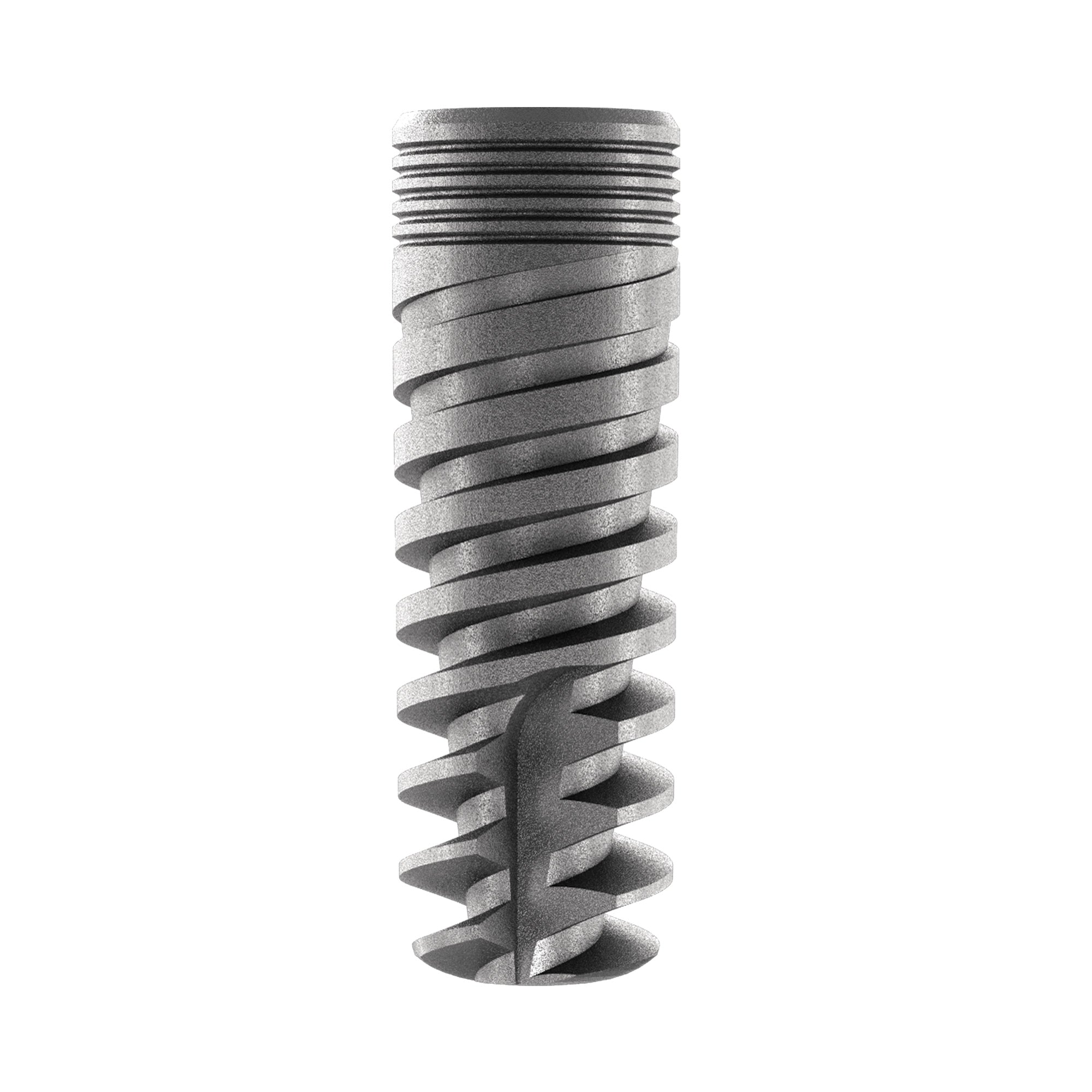

Le placement d'implants en une seule étape offre rapidité et efficacité, mais il ne laisse que très peu de place à l'erreur.

Chaque décision chirurgicale prise à ce stade impacte le cas jusqu'à la phase de restauration.
En nous basant sur notre expérience clinique et les défis courants observés dans la pratique quotidienne, nous avons identifié cinq considérations pratiques qui peuvent réduire considérablement le risque d'échec précoce des implants en une seule étape.
1. Maintenez l'interface implant-pilier scellée
Pendant la phase de cicatrisation, la connexion implant-pilier est particulièrement vulnérable.
L'utilisation de composants fermés tels que des vis de couverture ou des capuchons de cicatrisation aide à isoler l'interface de la salive, de l'accumulation de plaque et de l'irritation mécanique, qui peuvent tous compromettre la stabilité précoce.
Une connexion bien protégée favorise des conditions de cicatrisation plus propres et réduit les complications biologiques avant même le début de la restauration.
2. Le chargement immédiat n'est pas toujours la meilleure option
Bien que le chargement immédiat puisse être attrayant, il ne devrait jamais être forcé.
Dans les cas de stabilité primaire limite, de faible couple d'insertion ou de densités osseuses plus faibles (D3-D4), une restauration différée conduit souvent à des résultats plus prévisibles.
Choisir un capuchon de cicatrisation et permettre une ostéointégration adéquate peut prévenir l'intégration fibreuse et l'échec à long terme qui pourraient autrement passer inaperçus aux premiers stades.
3. Gérez les tissus mous dès le premier jour
La gestion des tissus mous n'est pas une étape secondaire - elle commence dès la chirurgie.
L'extraction atraumatique, la préservation de la gencive kératinisée et la mise en forme correcte du pilier de cicatrisation contribuent tous à des contours tissulaires stables et à un profil d'émergence plus sain.
Une attention précoce aux tissus mous simplifie la phase de restauration et améliore les résultats fonctionnels et esthétiques.
4. Respectez le biotype gingival et l'os environnant
Les biotypes gingivaux fins et les plaques osseuses buccales délicates nécessitent une attention particulière.
Ces cas sont plus sujets à la récession et à la résorption, en particulier dans les zones esthétiques.
Planifier une régénération osseuse guidée ou un soutien des tissus mous à l'avance peut faire la différence entre un résultat compromis et une solution stable à long terme.
5. Planifiez la stabilité, pas une compression excessive
Atteindre un couple élevé ne doit jamais se faire au détriment de la santé osseuse.
La planification basée sur la CBCT, le séquençage approprié des forets et les kits chirurgicaux précis vous permettent d'atteindre des niveaux de stabilité sûrs sans sur-comprimer l'os.
Un forage contrôlé et une planification précise favorisent une ostéointégration prévisible et réduisent les échecs mécaniques et biologiques précoces.
---
Nous vous souhaitons une journée réussie et cliniquement sereine !
Cordialement,
L'équipe DIP Dental